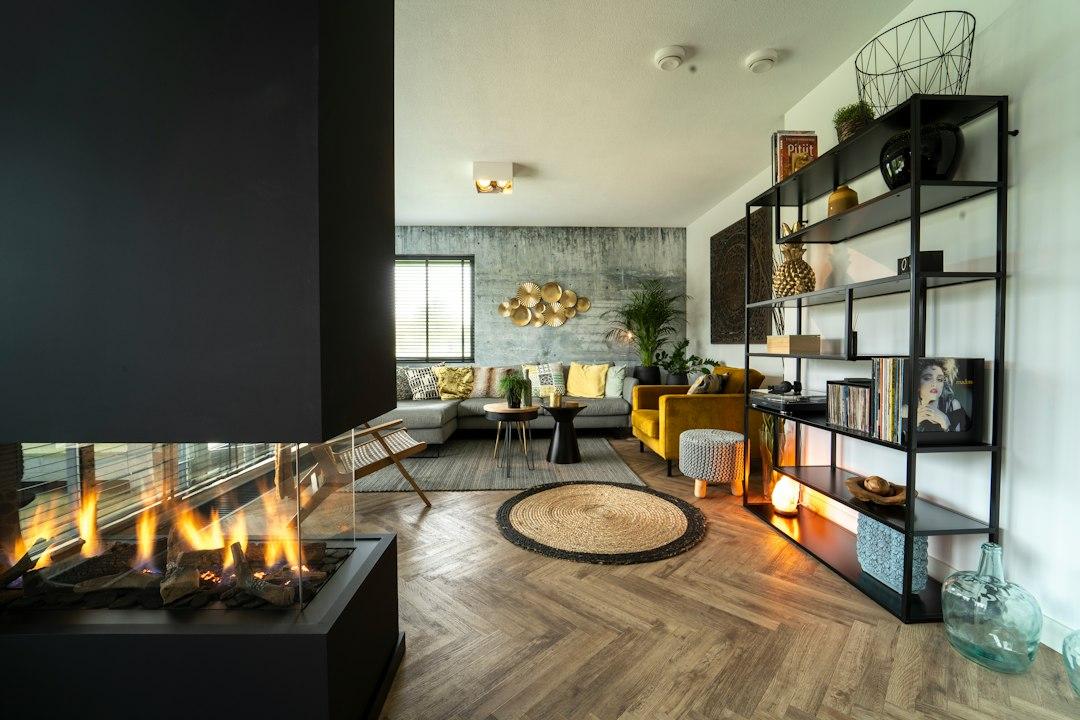
Two ways to get a gas fire, and one question that picks between them
Owners in Carson who want a gas fire usually start from one question: is there a working fireplace already? If there is a masonry firebox and a chimney, an insert goes into it. If the fire belongs on a wall that has never had one, in a family room addition or a primary bedroom, a sealed unit with its own vent is built there. Gas logs are a third path, and they suit fewer houses than people expect.
Stuart Chimney Experts plans and fits all three as part of fireplace remodels across Carson and the nearby South Bay cities. Here is how they compare on cost, on look, and on what the house has to have first.
Side by side
| Gas insert | New sealed gas fireplace | Gas logs | |
|---|---|---|---|
| Where it goes | Inside your current firebox | A wall with no fireplace | Inside your current firebox |
| Venting | New liner up the old chimney | New vent through a wall or roof | Up the open chimney |
| Heat into the room | High | High | Low |
| Price on this site | $2,950 to $5,900 installed | $4,700 to $9,400 | Quoted in writing |
| Look | Framed panel with glass | Any frame you design around it | Open flame, original masonry |
The insert: new heat inside an old opening
An insert is a closed steel box with a glass front, sized to slide into the firebox. It draws air and sends exhaust through a stainless liner that runs up inside the existing flue to the top of the chimney. The masonry stays where it is; it just stops being the part that holds the fire.
What sets the price inside the $2,950 to $5,900 range:
- the size and shape of the firebox, since a shallow or arched opening limits which models fit;
- the liner length, which follows the chimney height;
- whether a gas line already reaches the hearth or has to be run to it;
- the surround panel, from a slim black frame to a wide trim that covers old brick.
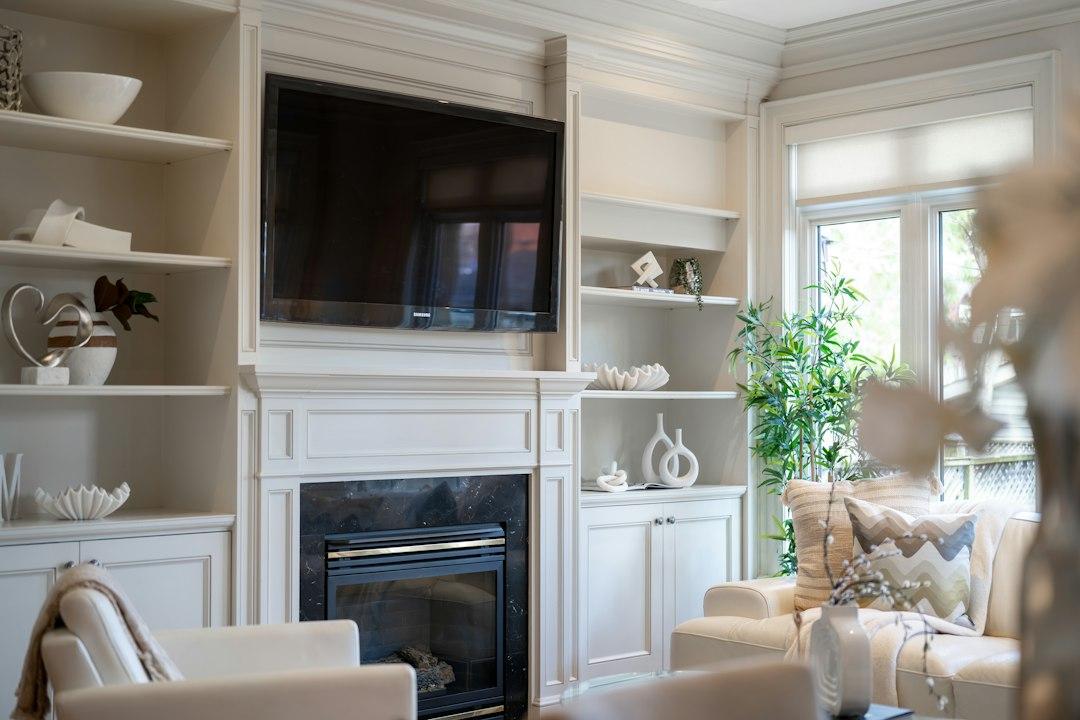
The look is the trade. An insert puts a framed glass panel inside the opening, so the face around it does a lot of the work. Many of our remodels pair an insert with a new stone or tile surround, sized so the panel sits centered with even margins on each side and a mantel set at a height that suits the new proportions. That surround is quoted on its own line.
The sealed unit: a fireplace where there was none
A direct-vent unit is a factory-built firebox that takes its combustion air from outside and vents straight out through a wall or up through the roof. It needs no chimney, so it can go in a room the original builder never planned for a fire.
The range of $4,700 to $9,400 moves with:
- the vent route, a short run through an outside wall being the simplest;
- the framing of the chase or bump-out that houses the unit;
- the gas line length;
- the unit size and glass style, including long linear models.
Because the frame is built from nothing, this is where design has the most room: a linear burner set into a floating plaster wall, a stone column that runs to the ceiling, or a flush unit inside a media wall with the television set well above it. The finish wall is quoted separately from the unit.
Gas logs: the look of an open fire
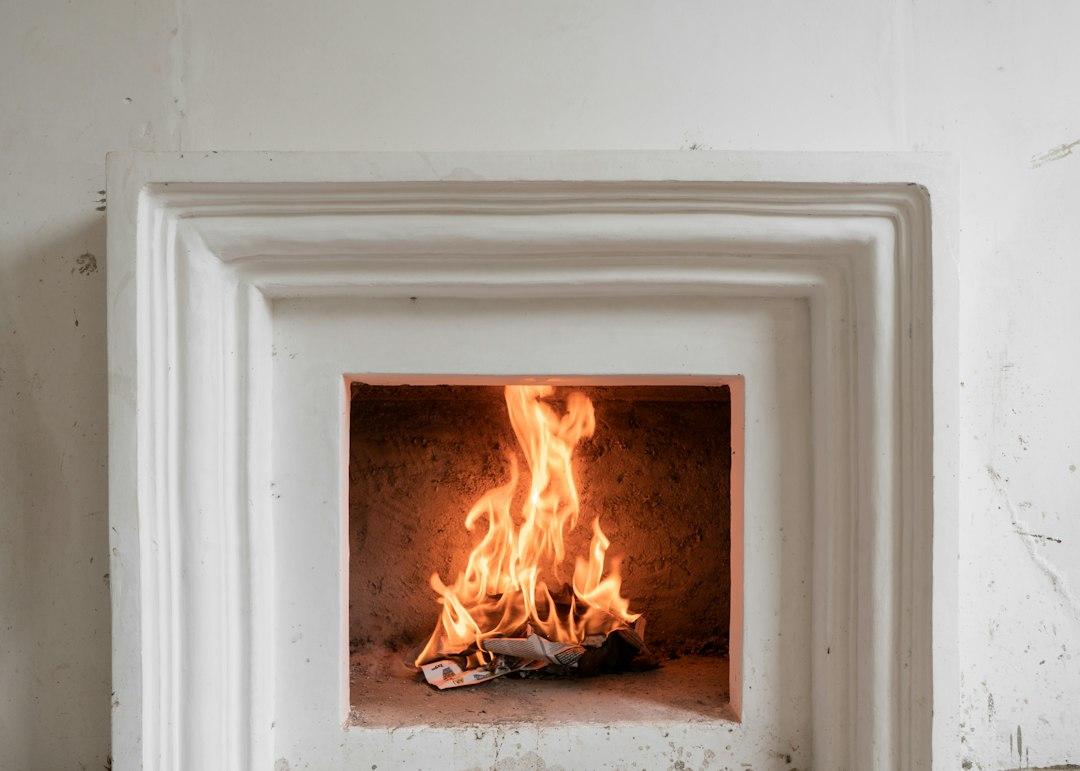
Gas logs sit in an open firebox with the damper held open, and the flue carries the exhaust. They keep the original masonry on show and give the flicker of a wood fire, but most of the heat goes up the chimney. They suit a living room where the fire is there to be looked at. Vented log sets need a sound flue, and we check it before quoting. See our gas logs page.
What the house needs first
Each option has a starting condition, and this is where quotes split apart:
1. Insert: the firebox has to be sound enough to hold the insert, and the chimney has to accept a liner. A cracked or offset flue can change the liner type. 2. Sealed unit: an outside wall or roof path for the vent, clear of windows and openings, and framing that can carry the unit and its finish. 3. Logs: a flue in good condition and a damper that can be fixed open.
For an insert or logs, we look at the flue before quoting. If the chimney has never been inspected while you have owned the house, a Level 2 inspection at $410 puts a camera through the flue so the liner and firebox questions are answered on paper. A Level 1 look, at $57, covers the parts in plain view.
Choosing
Pick the insert when you have a fireplace and want real heat with the least construction. Pick the sealed unit when the fire belongs in a new spot, or the old chimney is beyond saving. Pick logs when the room needs the look of a fire more than its warmth.
Ask for a written gas quote and tell us which of the three you lean toward, the room it is for, and whether there is a gas line near the spot. We may ask for a photo of the opening when we call back.
After the choice
The written quote lists the unit, the venting, the gas work and the surround as separate lines. For houses in Carson and the cities near it, the installation date is set once you approve the quote. Our gas fireplace repair and gas fireplace cleaning pages cover the service after it is in, and the post on a liner for your new insert explains the pipe inside the chimney.
When you have a wall in mind for the fire, start on our contact page and we will arrange the visit.
Want a Plan for Your Fireplace?
We check the firebox and flue, measure the wall, then draw a surround, mantel or insert that suits the room. Jobs are booked from Carson across Lawndale, Lomita, Long Beach and the rest of Los Angeles County.